"Pakistan’s Education System Faces Overhaul to Improve Quality of Learning"
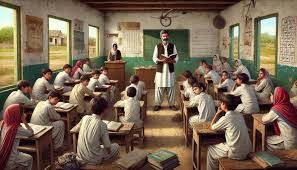
Pakistan’s education system is facing significant challenges that hinder the quality of learning and the country's ability to compete globally. Recognizing the importance of education for national development, the Pakistani government has announced plans to overhaul the education system in a bid to improve standards, enhance accessibility, and address the diverse needs of students across the country.
One of the key issues that the government aims to address is the unequal quality of education across different regions of Pakistan. While cities like Islamabad and Lahore have relatively better educational facilities, rural areas often face shortages of qualified teachers, lack of infrastructure, and limited access to learning resources. This regional disparity has led to significant differences in educational outcomes, with students in rural areas often receiving a subpar education compared to their urban counterparts. To combat this, the government plans to allocate more resources to rural schools, improve teacher training, and enhance the availability of educational materials in these regions.
Another significant problem is the outdated curriculum that does not equip students with the necessary skills for the modern job market. Pakistan's education system has long been criticized for its focus on rote memorization rather than critical thinking, problem-solving, and creativity. The government’s proposed reforms aim to modernize the curriculum, placing greater emphasis on STEM (Science, Technology, Engineering, and Mathematics) education, as well as soft skills like communication, collaboration, and leadership. By doing so, Pakistan hopes to prepare students for the challenges of the 21st century and help them thrive in a rapidly changing global economy.
Additionally, Pakistan is seeking to increase the accessibility of education, particularly for girls and marginalized groups. In many areas, cultural and social barriers prevent girls from attending school, resulting in lower literacy rates and gender inequality. The new reforms include strategies to encourage female enrollment and retention in schools, such as providing scholarships, building separate facilities for girls, and launching awareness campaigns to highlight the importance of female education.
The government is also focusing on improving teacher quality. Many educators in Pakistan lack adequate training and professional development opportunities. To address this, reforms will include the establishment of teacher training institutes, the introduction of standardized assessments, and the implementation of continuous professional development programs. By equipping teachers with modern teaching methodologies and techniques, the government aims to enhance the overall quality of education in Pakistan.
Finally, digital education is expected to play a key role in the educational overhaul. With the advancement of technology, the government plans to integrate digital tools and online learning platforms into schools, making education more interactive and accessible. This is particularly crucial in the context of the COVID-19 pandemic, which has highlighted the need for robust online education systems.
In conclusion, Pakistan’s education system overhaul represents a vital step toward improving educational standards, reducing regional inequalities, and preparing the country’s youth for a competitive global economy. However, successful implementation will require substantial investment, long-term commitment, and collaboration from all sectors of society.